
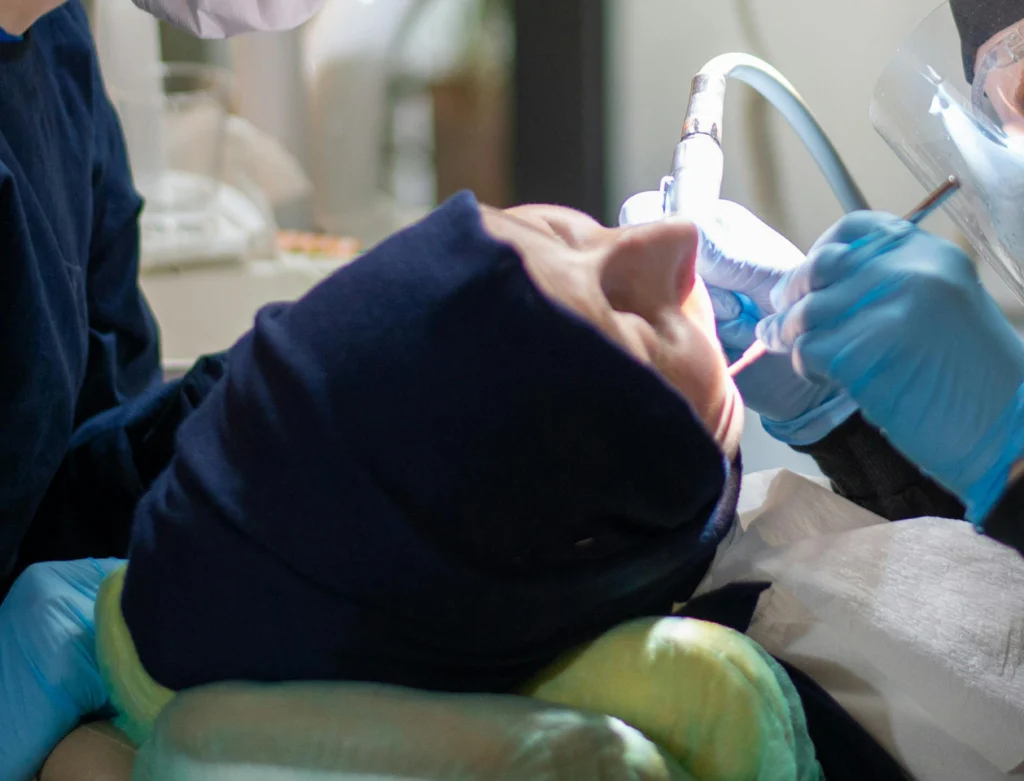
Dental technology has transformed many aspects of oral healthcare over the past few decades. From improved diagnostic tools to more precise treatment planning, technological advancements have helped dental professionals evaluate, monitor, and treat oral health conditions more effectively.
However, it is important to understand that technology itself does not replace professional expertise. The best outcomes occur when modern dental technology is combined with accurate diagnosis, evidence-based treatment planning, and patient-centered care.
If you are searching for a reliable dental clinic in uttarpara, understanding how dental technology supports modern dentistry can help you make more informed decisions about your oral health.
Dental technology refers to the tools, equipment, software, and clinical techniques used to support the diagnosis, treatment, and prevention of oral diseases.
These technologies are designed to help dentists:
Importantly, technology is an aid to clinical decision-making and does not replace professional judgment.
Modern dental technology can help clinicians gather more detailed information about a patient’s oral health.
Potential benefits may include:
The extent of these benefits depends on the specific technology being used and the individual clinical situation.
Digital dental imaging is widely used to help diagnose and monitor oral health conditions.
Compared with traditional film-based methods, digital systems allow dental images to be viewed electronically and stored securely as part of a patient’s clinical record.
Digital imaging may assist in identifying:
Radiographic examinations should only be performed when clinically justified and appropriate for the patient’s needs.
An intraoral camera is a small imaging device used to capture detailed photographs inside the mouth.
These images may help:
Intraoral cameras support communication but do not replace a comprehensive clinical examination.
Digital tools are increasingly used to assist with treatment planning for various dental procedures.
These systems may help dentists:
Treatment recommendations should always be based on clinical findings rather than technology alone.
Electronic record systems allow patient information to be documented, stored, and reviewed more efficiently.
Benefits may include:
Patient privacy and data security remain essential considerations when using digital record systems.
One of the most valuable applications of modern dental technology is in preventive care.
Technology can assist dentists in:
Preventive dentistry remains centered on regular examinations, good oral hygiene habits, and individualized risk assessment.
Technology supports these efforts but cannot replace daily oral care practices such as brushing with fluoride toothpaste and cleaning between teeth.
Understanding a dental condition often helps patients feel more confident about treatment decisions.
Modern technologies can make it easier to:
When patients understand their oral health status, they are often better equipped to participate in shared decision-making regarding treatment.
Reality: Technology supports diagnosis and treatment planning, but a comprehensive clinical examination remains essential.
Reality: The effectiveness of treatment depends on accurate diagnosis, evidence-based care, clinical expertise, and patient-specific planning. Technology is only one part of the process.
Reality: No diagnostic tool is perfect. Dentists often use multiple sources of information, including clinical examinations, patient history, and diagnostic imaging when appropriate.
Reality: Modern equipment supports dental professionals, but clinical judgment and expertise remain fundamental to quality patient care.
Yes. While technology offers many advantages, it also has limitations.
For example:
Evidence-based dentistry emphasizes combining technology with clinical expertise and patient values rather than relying on technology alone.
Regardless of the technology available, prompt dental evaluation is recommended if you experience:
Early professional assessment can help determine the most appropriate course of treatment.
Dental technology continues to evolve, and ongoing research may lead to new diagnostic and treatment approaches in the future.
However, not every emerging technology immediately becomes standard practice. New tools and techniques require evaluation for safety, effectiveness, and clinical usefulness before widespread adoption.
Patients should feel comfortable asking their dentist about the purpose, benefits, and limitations of any technology used during their care.
At Dr. Chakraborty Dental Studio, technology is used to support accurate diagnosis, patient education, and evidence-based treatment planning—not to replace professional judgment. Led by Dr. Arnab Chakraborty (BDS), the clinic focuses on combining modern dental techniques with ethical, patient-centered care.
Why patients trust the clinic:
Modern dental technology has become an important part of contemporary oral healthcare. From digital imaging and intraoral cameras to electronic records and treatment planning tools, these innovations help support diagnosis, patient education, and clinical decision-making.
The most effective dental care combines technology with professional expertise, evidence-based treatment planning, and a commitment to patient-centered care. For individuals seeking care from a trusted dental clinic in uttarpara, understanding the role of dental technology can help build confidence in the dental care process and support informed healthcare decisions.
Category:
Client::
Starts On:
Ends On: