
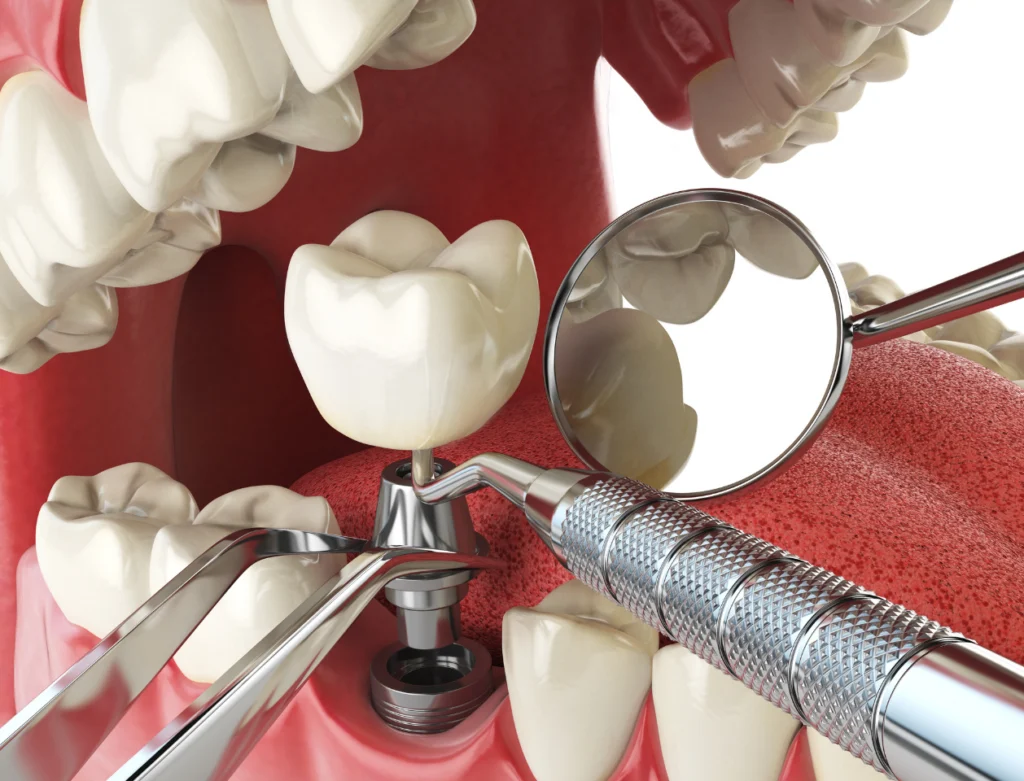
Missing teeth can affect more than just the appearance of a smile. They may influence chewing ability, speech, comfort, and overall oral function. Modern implant dentistry offers one option for replacing missing teeth, helping restore both function and aesthetics when appropriate for the individual patient.
Dental implants have become a widely used treatment option in modern dentistry, but they are not suitable for everyone. Understanding how implant dentistry works, its benefits, limitations, and treatment considerations can help patients make informed decisions about their oral health.
If you are looking for a trusted dental clinic in uttarpara, learning about implant dentistry can help you better understand one of the available options for replacing missing teeth.
Implant dentistry focuses on replacing missing teeth using dental implants. A dental implant is a small biocompatible fixture, typically made of titanium or titanium alloys, that is surgically placed into the jawbone to support a replacement tooth or other dental restoration.
After placement, the implant undergoes a healing process known as osseointegration, during which the surrounding bone gradually bonds with the implant surface. This process helps provide stability for the final restoration.
Dental implants may be used to support:
The most appropriate treatment option depends on the patient’s oral health condition and treatment goals.
Not every missing tooth causes immediate problems, but tooth loss can affect oral function over time.
Potential consequences may include:
The extent of these effects varies between individuals and depends on the location and number of missing teeth.
Dental implant treatment generally involves several stages.
A comprehensive evaluation is necessary before implant treatment begins.
This may include:
Not every patient is automatically a candidate for dental implants.
The implant fixture is surgically placed into the jawbone under appropriate clinical conditions.
The procedure is carefully planned to optimize positioning and support for the future restoration.
Following placement, a healing period is typically required to allow osseointegration to occur.
Healing times vary among patients and may be influenced by factors such as:
Once adequate healing has occurred, a crown, bridge, or other restoration may be attached to the implant.
The goal is to restore appearance, comfort, and oral function.
Suitability for implant treatment depends on multiple factors.
A dentist may evaluate:
Some patients may require additional treatment before implant placement, while others may be advised to consider alternative tooth replacement options.
Only a thorough clinical assessment can determine candidacy.
When appropriately planned and maintained, dental implants may offer several advantages.
Potential benefits include:
Dental implants may help restore chewing efficiency and support normal oral function.
Unlike some traditional bridge designs, implant-supported restorations may not require preparation of neighboring teeth.
Implants are anchored within the jawbone and provide support for attached restorations.
Dental implants are intended as a long-term treatment option. However, long-term success depends on ongoing maintenance, oral hygiene, and regular professional follow-up.
No dental treatment can guarantee permanent results.
It is important to understand that implant dentistry also has limitations.
Factors that may affect treatment include:
Some patients may require additional procedures before implant placement.
Treatment timelines can also vary significantly depending on the complexity of the case.
Dental implants require ongoing maintenance.
Good implant care generally includes:
Dental implants can develop complications if oral hygiene is neglected.
Regular monitoring is important for long-term implant health.
Reality: Dental implants are designed as long-term restorations, but no treatment can guarantee lifetime success. Long-term outcomes depend on maintenance, oral health, and individual factors.
Reality: Implant suitability varies from patient to patient. Clinical evaluation is necessary before treatment planning.
Reality: Some missing teeth may affect oral function, chewing ability, or tooth positioning over time. Treatment recommendations should be individualized.
Reality: Dental implants require regular oral hygiene and professional follow-up care, similar to natural teeth.
Prompt dental evaluation is recommended if you experience:
Early assessment helps determine the cause of the problem and appropriate treatment options.
Implant dentistry is most successful when treatment planning is individualized.
Evidence-based treatment planning considers:
Not every missing tooth requires the same solution, and implants represent one of several possible treatment options.
For patients seeking care from a reliable dental clinic in uttarpara, discussing all available tooth replacement options with a qualified dental professional can help support informed decision-making.
At Dr. Chakraborty Dental Studio, every implant treatment plan begins with a comprehensive assessment and patient-focused consultation. Led by Dr. Arnab Chakraborty (BDS), the clinic emphasizes evidence-based dentistry, clear communication, and realistic treatment expectations.
Why patients trust the clinic:
Implant dentistry offers a well-established method for replacing missing teeth and restoring oral function. Dental implants can support single-tooth replacement, multiple-tooth restoration, and selected denture stabilization solutions when clinically appropriate.
Successful implant treatment depends on accurate diagnosis, careful planning, proper maintenance, and ongoing professional care. By understanding both the benefits and limitations of dental implants, patients can make informed choices that support their long-term oral health and quality of life.
Category:
Client::
Starts On:
Ends On: