
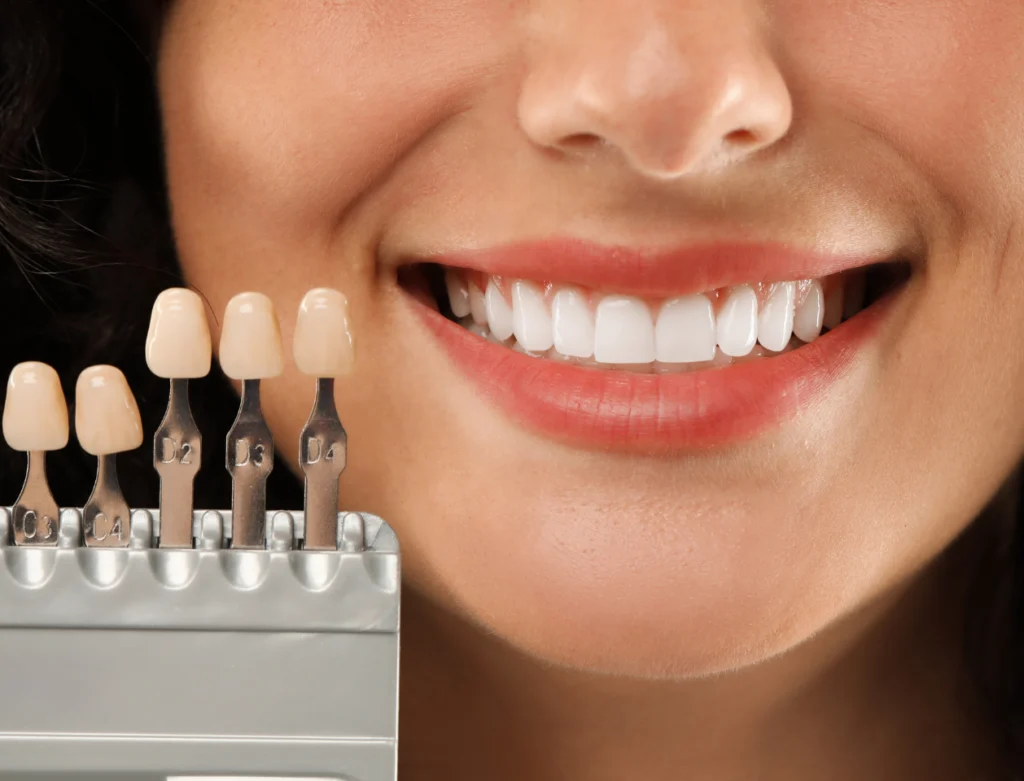
A confident smile can influence how people feel about their appearance and interact with others. While oral health remains the primary goal of dentistry, many patients also seek treatments that improve the appearance of their teeth and smile. This is where cosmetic dentistry plays a role.
Cosmetic dentistry focuses on enhancing the appearance of teeth, gums, and smiles while maintaining oral health and function. Modern cosmetic dental procedures can address concerns such as tooth discoloration, chipped teeth, uneven tooth shapes, gaps between teeth, and certain aesthetic imperfections.
If you are searching for a trusted dental clinic in uttarpara, understanding the principles, benefits, and limitations of cosmetic dentistry can help you make informed decisions about your treatment options.
Cosmetic dentistry refers to dental procedures that primarily aim to improve the appearance of a person’s smile. Depending on the patient’s needs, cosmetic treatment may also contribute to restoring function or protecting tooth structure.
Cosmetic dental care may involve:
Not every cosmetic concern requires treatment, and recommendations should always be based on an individual’s oral health status and personal goals.
A common misconception is that cosmetic dentistry focuses only on appearance.
In reality, many cosmetic procedures are most effective when underlying oral health issues have already been addressed.
For example:
A healthy foundation helps support more predictable and sustainable outcomes.
Teeth whitening is one of the most frequently requested cosmetic dental procedures.
Professional whitening treatments are designed to improve the appearance of tooth discoloration and staining.
However, it is important to understand that:
A dental evaluation helps determine whether whitening is appropriate for a specific patient.
Modern tooth-colored restorative materials can be used to repair teeth affected by cavities or minor structural damage.
These restorations are often selected because they can blend more naturally with surrounding tooth structure while restoring function.
Treatment decisions should be based on both clinical requirements and aesthetic goals.
Dental bonding involves the application of tooth-colored restorative material to improve the appearance of certain dental imperfections.
Bonding may be used to address:
Suitability depends on the location and extent of the condition being treated.
Dental crowns may sometimes be recommended when teeth have extensive structural damage or require significant restoration.
While crowns can improve appearance, their primary purpose may also include restoring strength and function.
Not every cosmetic concern requires crown treatment.
Missing teeth can affect both appearance and oral function.
Depending on individual circumstances, options such as bridges, dentures, or dental implants may contribute to restoring the appearance of a smile while supporting chewing and speech.
The most appropriate treatment varies from patient to patient.
Cosmetic dentistry may be considered by individuals who are concerned about:
A comprehensive dental examination is necessary before determining suitable treatment options.
Although cosmetic dentistry can improve smile appearance, it is important to maintain realistic expectations.
Some limitations include:
Patients should discuss expected outcomes, limitations, and maintenance requirements with their dentist before proceeding.
Reality: Some cosmetic procedures may also help restore tooth structure, improve function, or support oral health objectives.
Reality: Different causes of discoloration respond differently to treatment. Some stains may improve more than others.
Reality: Dental restorations and cosmetic treatments may require maintenance, repair, or replacement over time depending on various factors.
Reality: Oral health issues such as gum disease or untreated decay often need to be addressed before elective cosmetic treatment begins.
Long-term maintenance plays an important role in preserving cosmetic outcomes.
Patients are generally advised to:
Maintenance requirements may vary depending on the specific treatment performed.
Regardless of cosmetic concerns, prompt dental evaluation is recommended if you experience:
Addressing urgent dental problems should take priority over elective cosmetic procedures.
Successful cosmetic dentistry begins with careful assessment and realistic treatment planning.
Factors that influence treatment recommendations include:
Evidence-based cosmetic dentistry focuses on achieving aesthetic improvements while preserving oral health and tooth structure whenever possible.
For patients seeking care from a reliable dental clinic in uttarpara, individualized treatment planning helps ensure that cosmetic goals align with overall oral health needs.
At Dr. Chakraborty Dental Studio, cosmetic dentistry is approached with a strong emphasis on oral health, patient education, and realistic expectations. Led by Dr. Arnab Chakraborty (BDS), the clinic focuses on treatment plans that balance aesthetics, function, and long-term dental health.
Why patients trust the clinic:
Cosmetic dentistry offers a range of treatment options designed to improve the appearance of teeth and smiles while supporting oral health and function. From professional teeth whitening and tooth-colored restorations to smile enhancement procedures and replacement of missing teeth, treatment should always be guided by clinical evaluation and evidence-based decision-making.
The most successful cosmetic outcomes are achieved when aesthetic improvements are combined with healthy teeth, healthy gums, and realistic expectations. Working with a qualified dental professional can help patients choose treatments that are appropriate for their unique needs and long-term oral health goals.
Category:
Client::
Starts On:
Ends On: